

A strong health system is how a country protects its people’s money.
HSREP is an independent public-health research and advocacy platform. It publishes the evidence that health spending is economic protection, not a budget line to cut. Its first season covers the United States and Bangladesh: nine published articles, the record of how far they travelled, and a clinic pilot in development.
The roundtable is a written discussion, open now. No meeting to attend.
From a published argument to a proposed pilot.
HSREP argues in public, measures how the argument travels, proposes something that can be tested, and puts it back to the people who do the work. One thread, dated at every step.
- Argued
When we ignore public health prevention, we pay the price
The Eastern Echo · 14 Nov 2025
- Measured
Season 1: nine pieces, two countries
57,274 impressions (post appearances, not people), $0 paid · 21 Feb – 12 Apr 2026
- Proposed
Prevention Adoption Initiative
Published July 2026 with a working worklist demo · in development
- Asked practitioners
Roundtable № 02: where does preventive care break down?
Open since 9 Sep 2026 · moderated, on the record
- Next
Colorectal Cancer Screening Completion Pilot
One host clinic sought · 12 months · decision at month three
- Then
The same routine, five other completion gaps
Roadmap, or a clinic’s first choice · blood pressure, diabetic eye exam, kidney test, two follow-ups
Where does preventive care break down between recommended and completed in your setting?
Three questions are open. Answer the one your own work speaks to: five minutes, under your name, moderated, and published.
The published record.
Seven arguments in the campaign, nine pieces in all. Two countries, zero dollars of paid promotion.
All nine pieces →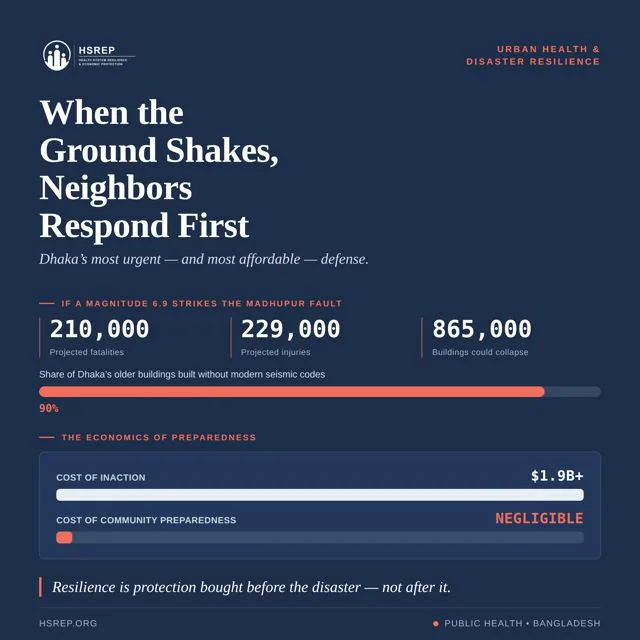
When the Ground Shakes, Neighbors Respond First
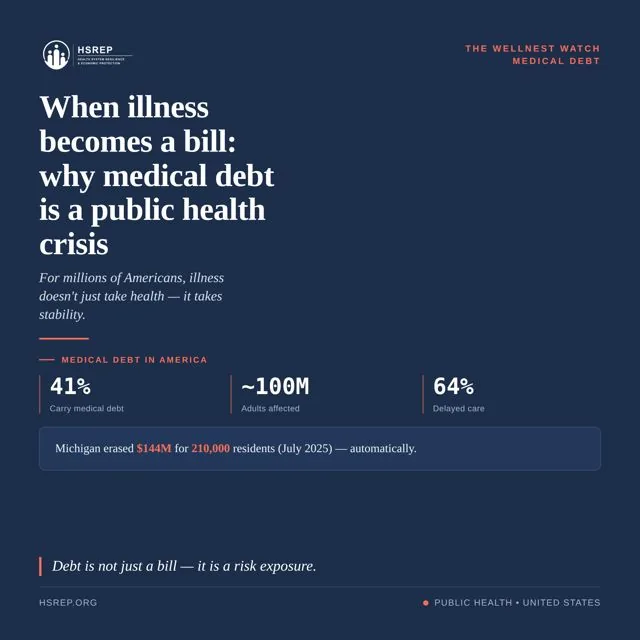
When illness becomes a bill
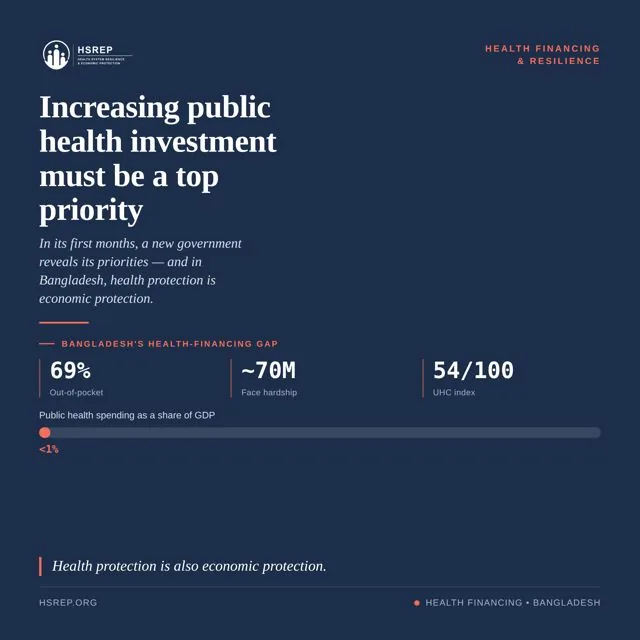
Increasing public health investment must be a top priority
Four findings from the Season 1 data.
Is anyone actually reading this?
Engaged readers rather than a visitor count, with datacentre traffic deducted and named. The record also carries what did not work: 3 people opened the response form and none submitted one.
Join the discussion, five minutes, on the record.
“Where does preventive care break down between recommended and completed in your setting?”
How a roundtable works
The signals behind HSREP, clearly labeled.
Reader prompt
“Are you maintaining a website where all this information can be found in one place? These efforts are extremely valuable and deserve to be easily accessible.”
Professional
1on record“I chaired Shafaat's capstone, so I have followed this from the start, and it has grown into a serious, well-documented platform. He is careful about what the evidence can and cannot show, which is what makes the advocacy worth trusting.
“He also would not stop at the argument. The Prevention Adoption Initiative takes the hardest part of prevention, turning a recommended screening into a completed one, and treats it as something to design and test responsibly, with sustainability in mind.
“It is that pairing, credible advocacy and a real plan to act on it, that makes me glad to support the work and to encourage the right partner to take a serious look.”
Institutional review
Request the evidence pack →
Close the Prevention Adoption Gap
The first proposed demonstration is intentionally narrow: one Southeast Michigan safety-net clinic, one colorectal-cancer screening measure, twelve months, evaluated independently by an academic partner once one is confirmed. The design is published; the next step is a host clinic.
Choose the next step that fits.
Join the roundtable
Answer one focused question with your name and affiliation. Selected responses enter a moderated, published synthesis.
Add your response →Could you host or evaluate the pilot?
Start with a focused 30-minute presentation for your team. No commitment required.
Request the presentation →Get the next opening by email
Season 2, new roundtables, and initiative milestones—a few times a season.

Clarity under pressure that turns system complexity into measurable results.
Founder of HSREP. A growth, marketing and public-health strategist with seventeen years turning complex systems into measurable results, in health care since 2021. HSREP grew out of a Master of Public Health capstone at Eastern Michigan University and now publishes independently. Background, standards and disclosures →
Three figures, one ring. The argument, in one image.
The Humanist Crest is protection built as a structure, with people at its centre. Its story is told in six chapters, scored to a theme written for it: We said we would not look away.
Play the theme34 seconds, in six chaptersWhat HSREP is, in plain answers.
What is HSREP?
What does ‘health-system resilience is economic protection’ mean?
How can professionals engage with HSREP?
More questions, including how HSREP is funded, how sources and corrections are handled, and who it is written for. The full set →